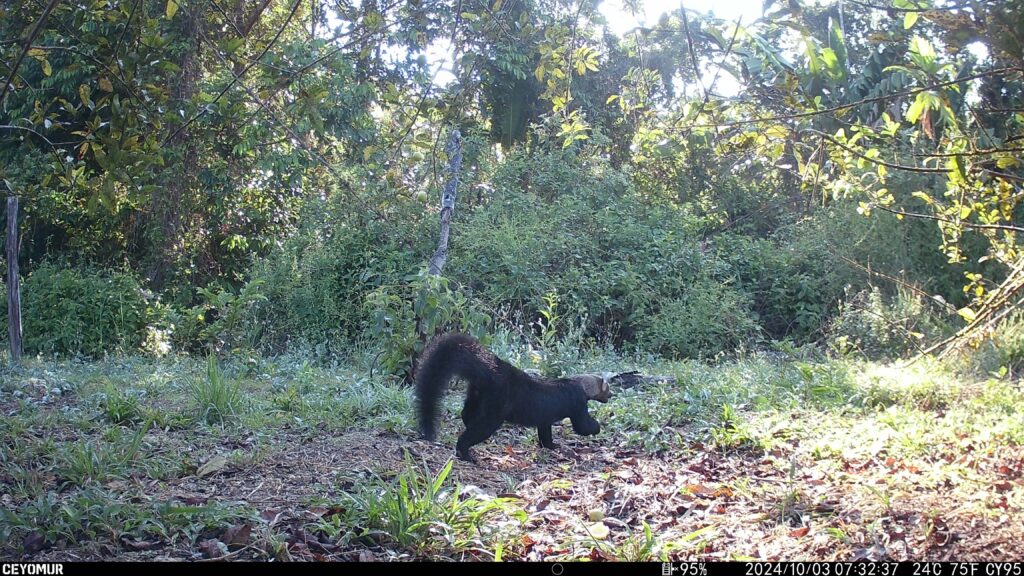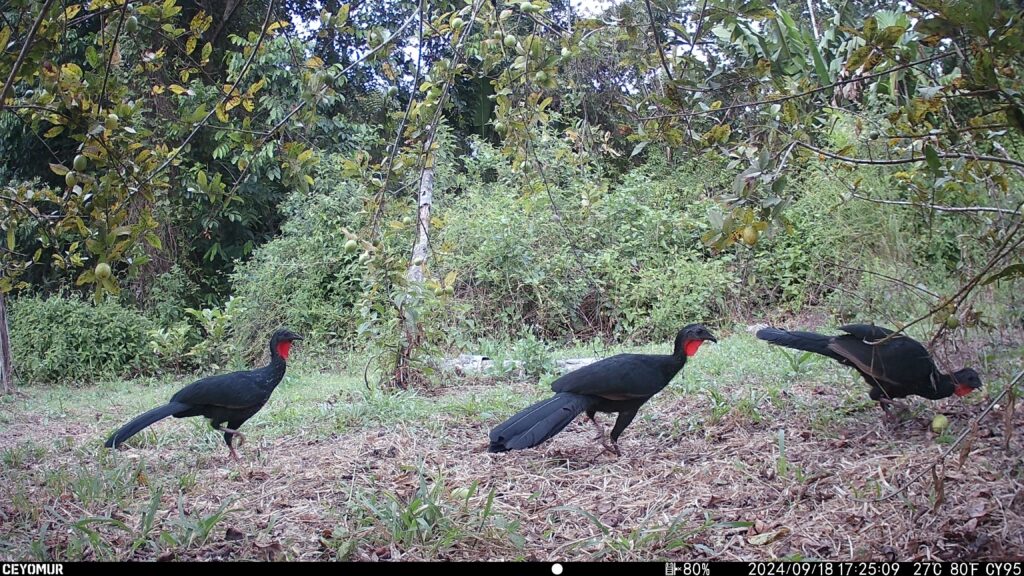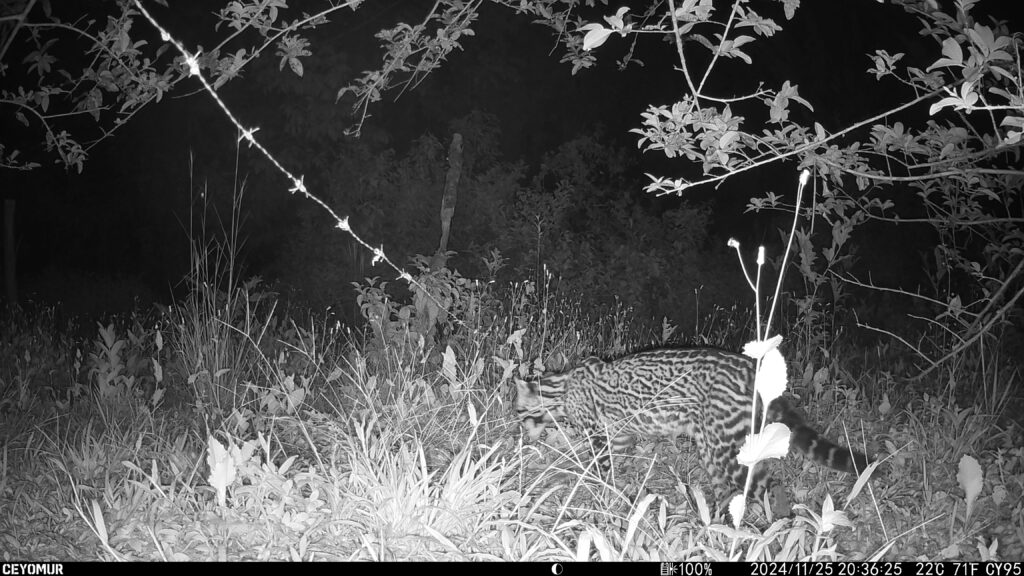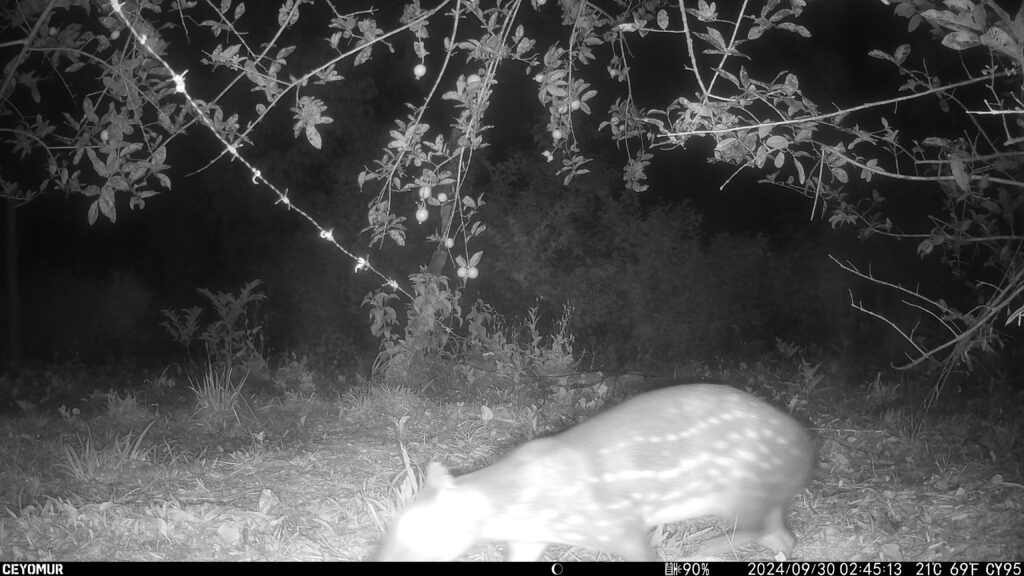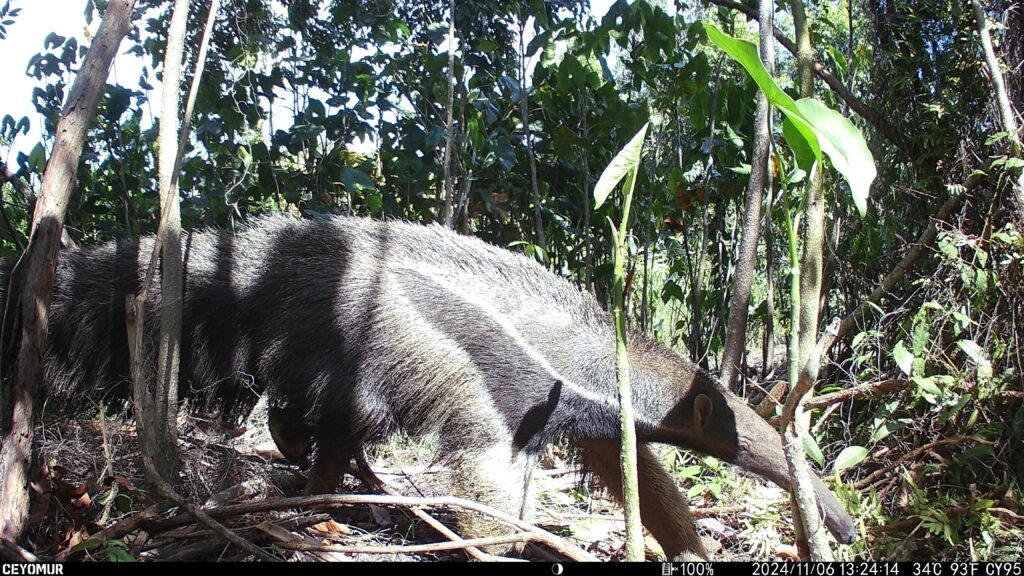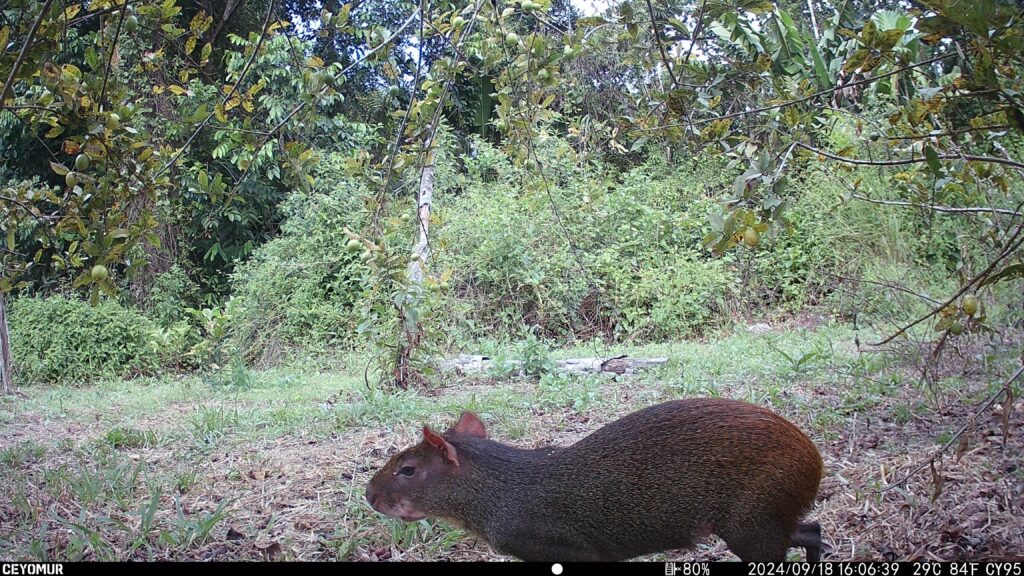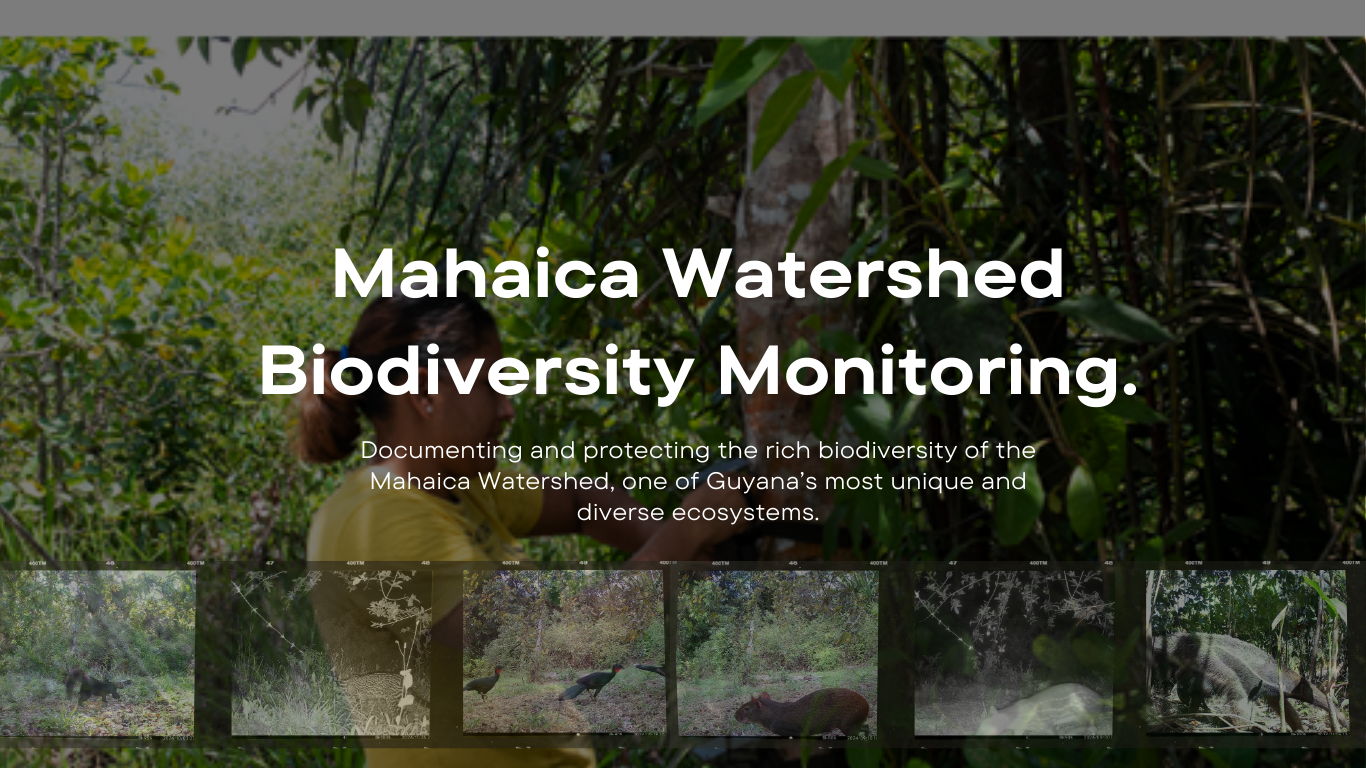
The Mahaica Watershed Biodiversity Monitoring Project, implemented by the EMC Foundation with support from the New Zealand High Commission/ Embassy Fund, utilised cutting-edge technologies such as camera traps and drones to monitor wildlife and collect essential data.
The project successfully achieved its key objectives by installing camera traps across various locations within the Mahaica Watershed to monitor wildlife and collect vital biodiversity data. Community members were trained to operate and maintain the camera traps, ensuring local engagement and building capacity for sustained monitoring efforts. The collected data was thoroughly analysed, providing valuable insights into the species present in the watershed and their environmental interactions. Finally, the findings were shared with key stakeholders, local communities, and schools, promoting awareness and supporting informed conservation strategies for the watershed’s long-term management.
The Mahaica Watershed Biodiversity Monitoring Project is part of the EMC Foundation’s ongoing efforts to safeguard the Mahaica Watershed. Through strategic planning, strong partnerships, community engagement, and the integration of technology, the project’s benefits will continue long after its conclusion. The Foundation remains committed to working with local stakeholders and agencies to raise awareness and inspire action for the protection of the Mahaica watershed biodiversity.
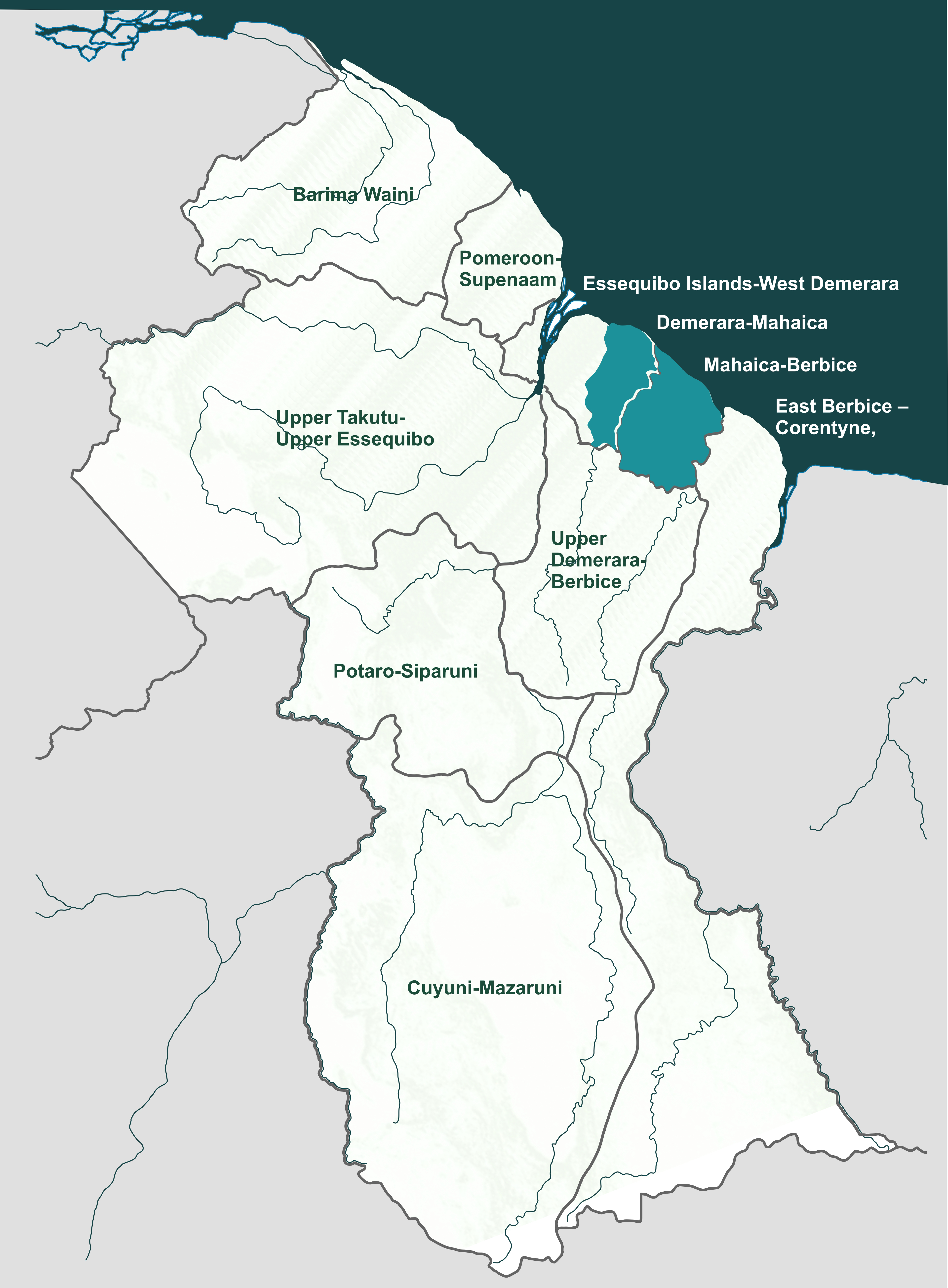
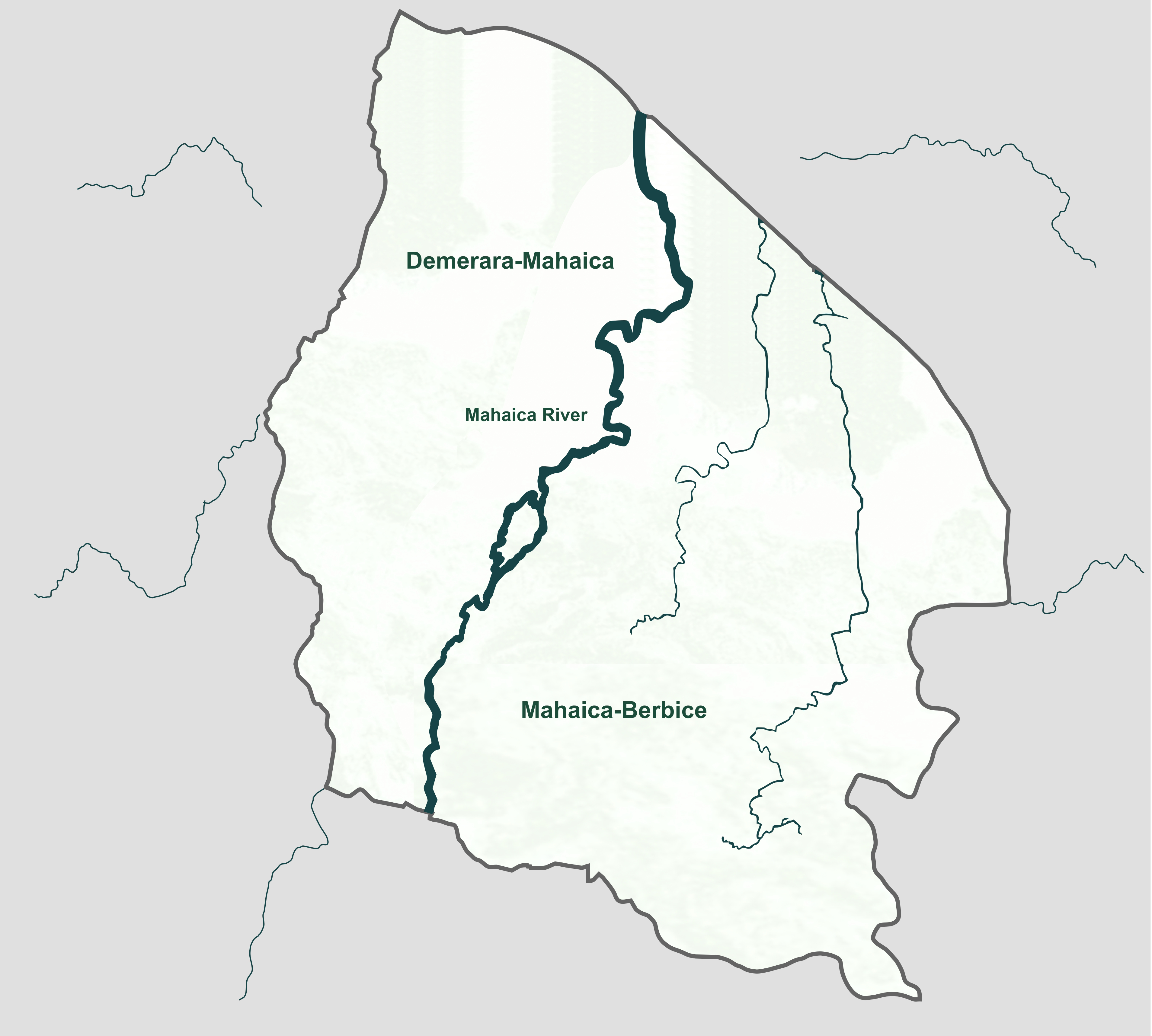
The Mahaica Watershed is a critically important ecosystem that contributes to biodiversity, climate mitigation and adaptation, and freshwater availability in Guyana. It features diverse flora and fauna, crucial for the region’s economic, social, and cultural well-being.
This watershed features unique landscapes such as seasonally flooded savannahs, grasslands, shrubs, and mangroves, as well as the Mahaica River, which provides habitats for a variety of wildlife. Notable species include lukanani and piranha fish, giant river otters, green iguanas, and howler monkeys. The area is also a prime birdwatching destination, hosting over 150 bird species, including the national bird of Guyana, the Canje pheasant.
However, this delicate ecosystem is under increasing pressure from urbanisation, climate change, hunting, and competing land use practices. The EMC Foundation is coordinating actions to address these challenges through several strategic initiatives and working closely with Governmental and Non-Governmental partners. Efforts include initiatives which seek to enhance awareness and support local livelihoods as well as partnerships to manage and protect the watershed. The Foundation also connects with young people by helping to establish environmental clubs, conducting school tours and educational programs to cultivate environmental stewardship.
Empowering Local Communities
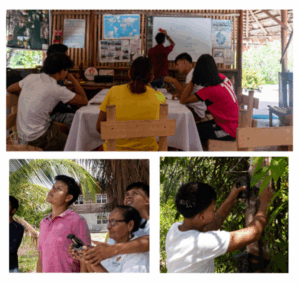
The EMC Foundation conducted training sessions on drone and camera trap operations at St. Cuthbert’s Mission (Pakuri) and Little Biaboo, combining theoretical knowledge with hands-on practice to showcase how technology can be used for environmental conservation.
The training sessions covered the fundamentals of drone technology, including its role in wildlife monitoring, key components, and maintenance practices. Participants also learned about safety protocols, regulations and had the opportunity to practice flight manoeuvres. In addition to drones, the training focused on the operation of camera traps, with participants engaging in exercises to set up and place the traps for wildlife monitoring and learning maintenance techniques for their longevity.
By the end of the training, participants had acquired both theoretical and practical skills in drone and camera trap use, enabling them to actively contribute to local conservation initiatives. This training is a significant step in the EMC Foundation’s ongoing commitment to promoting environmental stewardship through education and community empowerment.
Training in Little Biaboo Training in St. Cuthbert’s Mission

Inspiring the Next Generation
A key component of this project was the engagement of environmental clubs along the Mahaica Watershed. Students from De Hoop Primary, Little Biaboo Primary, St. Cuthbert’s Secondary, and St. Cuthbert’s Primary participated in interactive classes on camera trap technology, where they learned about its role in wildlife monitoring. These sessions sparked excitement and curiosity among students, as they were amazed by the findings from the study, which revealed species they had never seen before or were unaware inhabited their surroundings.
De Hoop Primary
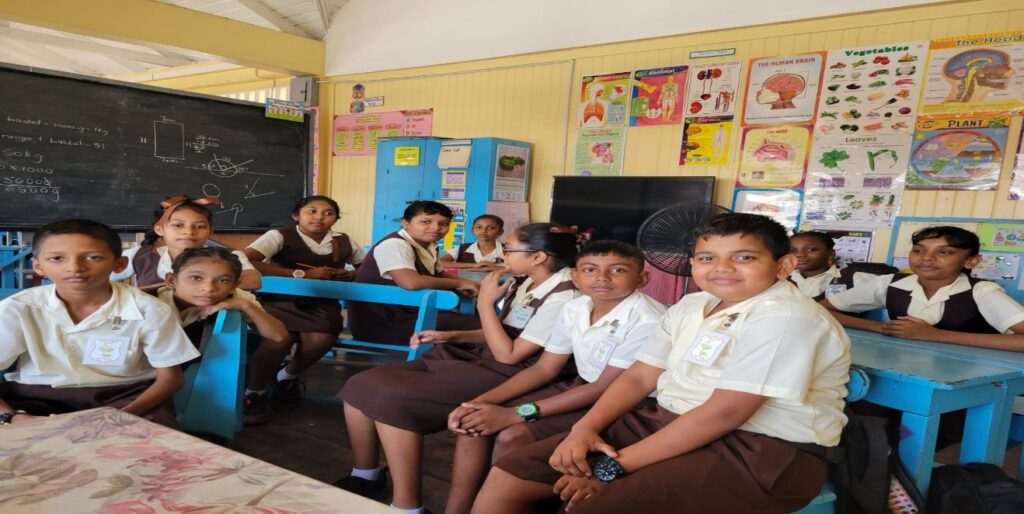
Students learned about camera trap technology and were amazed by the local wildlife footage.
Little Biaboo Primary
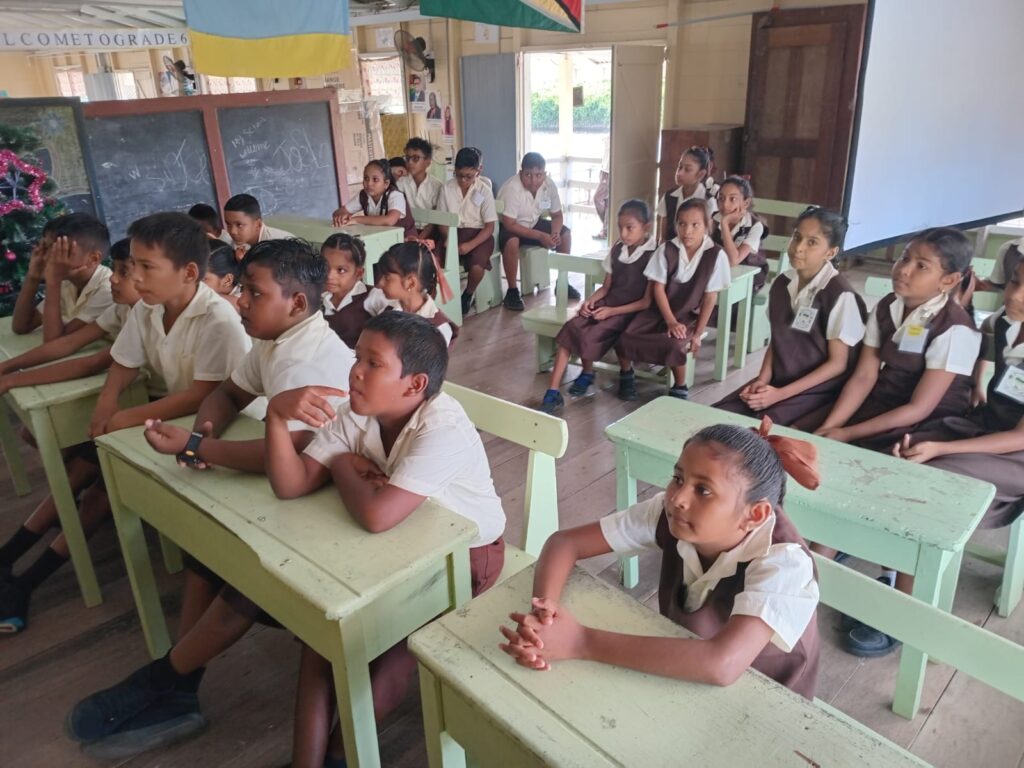
Interactive sessions sparked curiosity about species they never knew existed in their backyards.
St. Cuthbert’s Primary
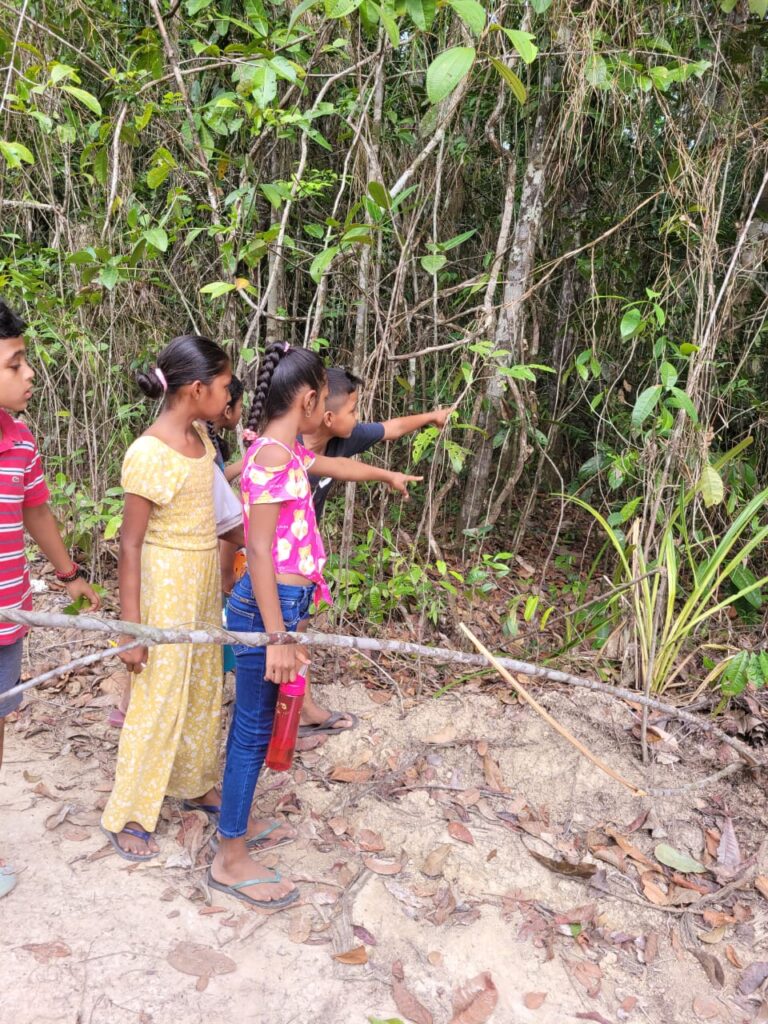
Field trips and practical demonstrations brought conservation science to life for the students.
St. Cuthbert’s Secondary
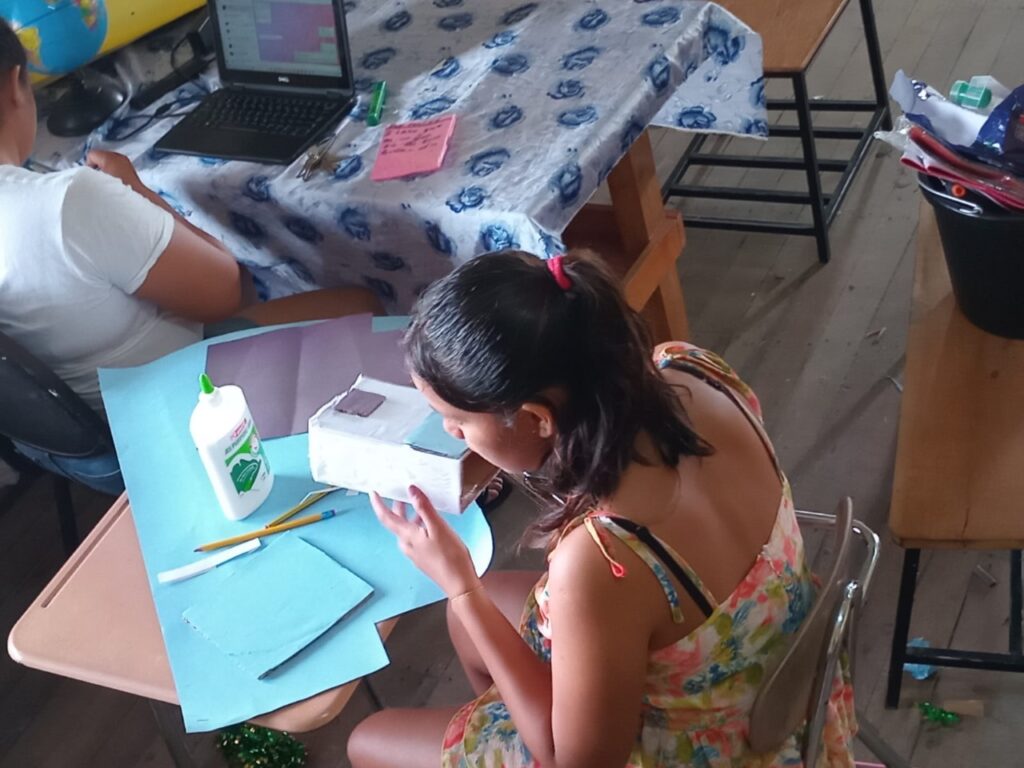
Older students engaged in hands-on activities, building their own model camera traps.
Biodiversity of the Mahaica Watershed
The EMC Foundation team and villagers of Little Biaboo and St. Cuthbert’s Mission successfully deployed camera traps along the Mahaica River and in St. Cuthbert’s Mission for an average period of two months. The strategic locations of the traps were selected to maximise wildlife monitoring and was guided by a combination of field observations and local traditional knowledge.