Exploring, Innovating, Conserving: Highlights from EMC Foundation’s E-STEM Program – July 2026 Activities
The EMC Foundation continues to collaborate with sixty-seven environmental clubs in Guyana. These are inclusive of Queen’s College, The Bishop’s High School, St. Stanislaus College, St. Rose’s High, Marian Academy Primary and Secondary, School of the Nations Primary and Secondary, Saxacalli Primary, De Hoop Primary, Little Biaboo Primary, St. Cuthbert’s Primary and Secondary, Moraikobai Primary, Santa Aratak Primary, Wakapau Secondary, Warapoka Primary and Secondary, Georgetown International Academy Primary and Secondary, Open Doors Centre, Tapakuma Lake Primary, Rosignol Primary, Mashabo Primary, La Bonne Intention Secondary, Lake Mainstay Primary and Secondary, Beterverwagting Primary and Secondary, Plaisance Primary and Secondary, Tutorial High School, Chateau Margot Primary, Abram Zuil Secondary, Lake Capoey Primary, Nismes Secondary, Good Hope Secondary, Annandale Secondary, Lusignan Primary, North Georgetown Secondary, Mon Repos Primary, Tuschen Secondary, Westminster Secondary, Karamat Primary, J.C. Chandisingh Secondary, Soesdyke Secondary, Winfer Gardens Primary, Santa Rosa Primary and Secondary, Waramuri Primary and Secondary, Manawarin Primary, Kamwatta Primary and Secondary, Wallaba Primary, Huis’T Dieren Primary, Fisher Primary, Taymouth Manor Primary, Barabina Primary, Hosororo Primary, Kwebana Primary, Kwebana Secondary, St. Anthony’s Primary, 8th of May Primary, Konashen Primary, Kamwatta Primary (Mabaruma) and St. Bede’s Primary.
In July 2026, the Foundation expanded its reach through partnerships with seven additional clubs, further advancing our mission to empower youth through environmental science and technology education in Guyana. These are Kwebana Primary, Kwebana Secondary, St. Anthony’s Primary, 8th of May Primary, Konashen Primary, Kamwatta Primary (Mabaruma) and St. Bede’s Primary.
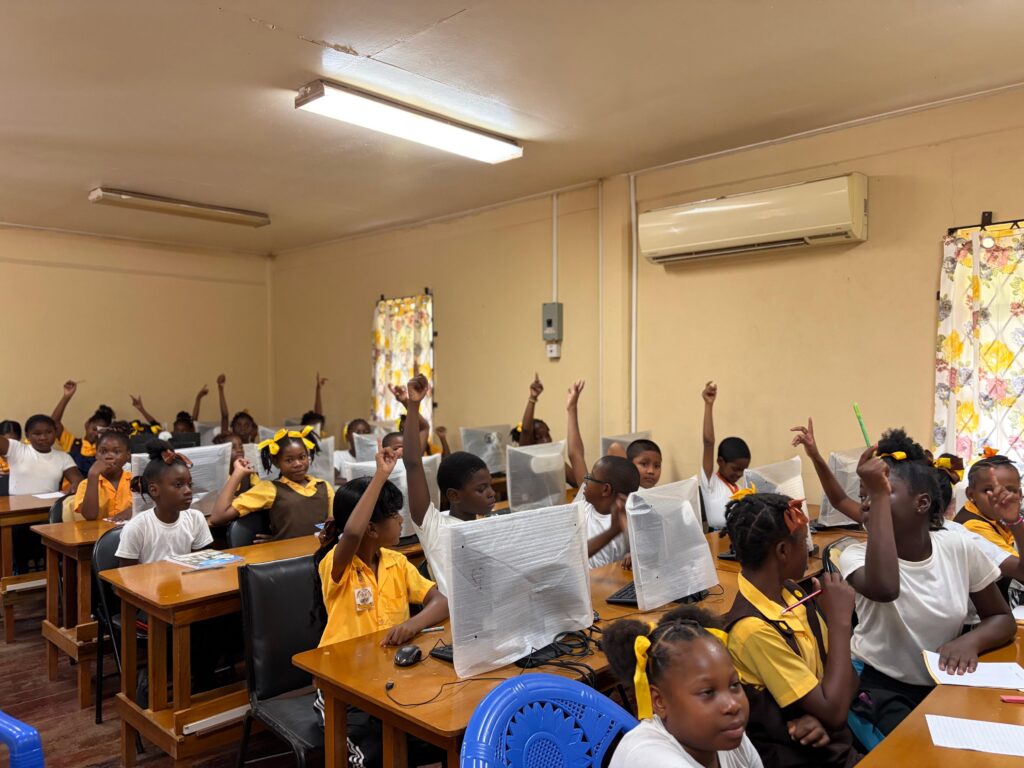
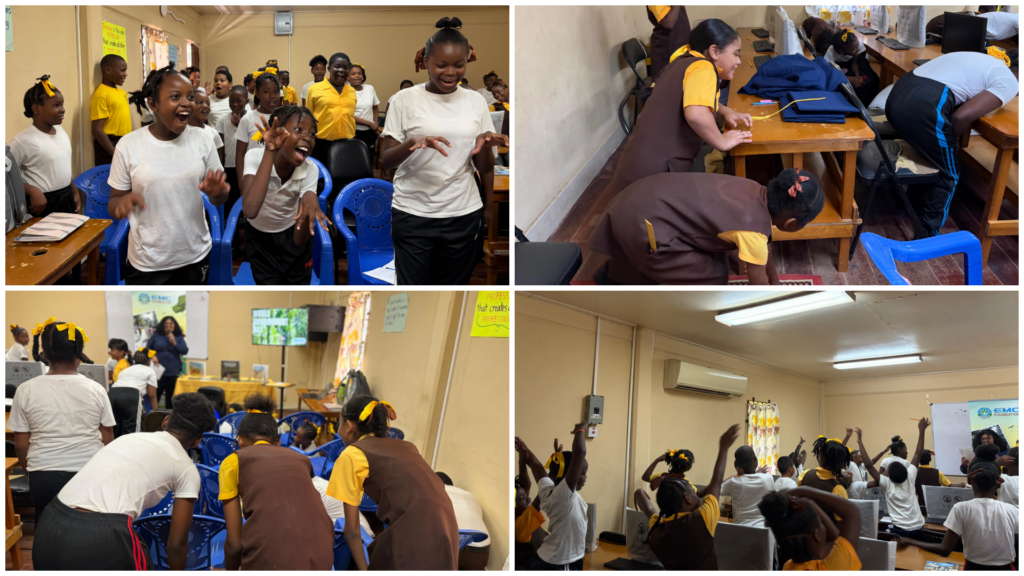
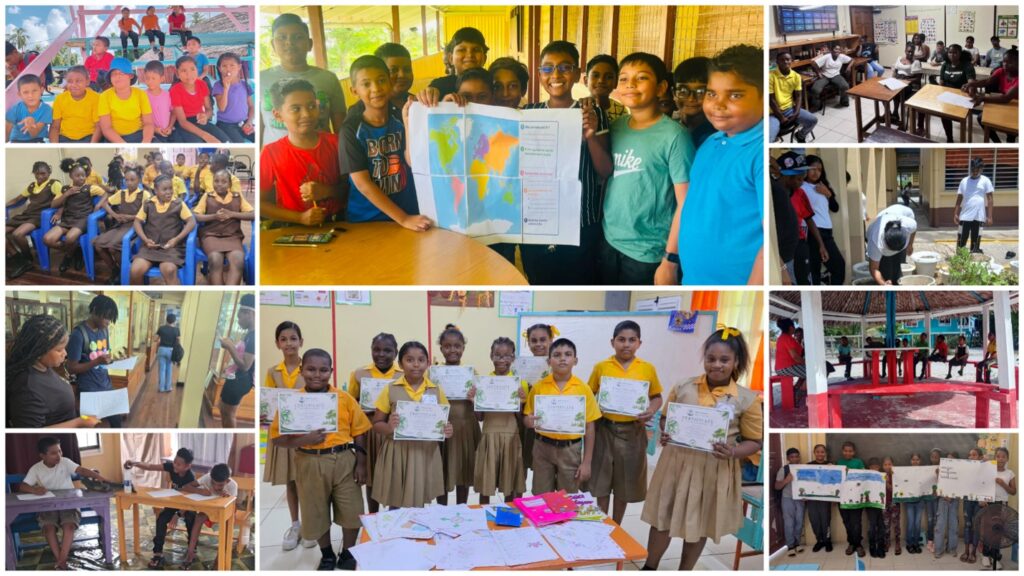
For the Primary ‘Ecosystems’ Work Plan for July 2026, the topics completed across the clubs were Ecosystems, Food Chains, Camera Traps, Drones, Maps and Compasses, Global Positioning Systems (GPS), Plant Identification, Plant Adaptations, Animal Identification, Animal Adaptations, and End-of-Term Presentations. Club members learned about ecosystems and food chains, environmental monitoring tools, navigation techniques, plant and animal identification, and the adaptations that enable organisms to survive in different environments. Activities included nature walks, outdoor observations, field trips, demonstrations, scavenger hunts, videos, group discussions, map and compass and GPS activities, plant and animal identification exercises, painting and colouring, and end-of-term presentations.
For the Secondary ‘Ecosystems’ Work Plan for July 2026, the topics completed across the clubs included Ecosystem Components and Interactions, Ecosystem Functions and Nutrient Cycles, Types of Ecosystems, Biodiversity, Interdependence and Relationships, Plant Identification and Preservation, Plant Adaptations and Traditional Uses of Plants, Animal Identification, Camera Traps, Animal Adaptations and the IUCN, and End-of-Term Presentations. Club members developed their understanding of ecosystem processes, biodiversity, plant and animal identification, adaptations, and conservation, including the importance of protecting threatened and endangered species. Activities included outdoor observations, plant preservation, research, poster creation, presentations, videos, role-play, discussions, and an educational visit to the National Museum of Guyana, where members observed animal exhibits, identified diurnal and nocturnal animals, examined different types of adaptations, and completed observation worksheets and discussions.
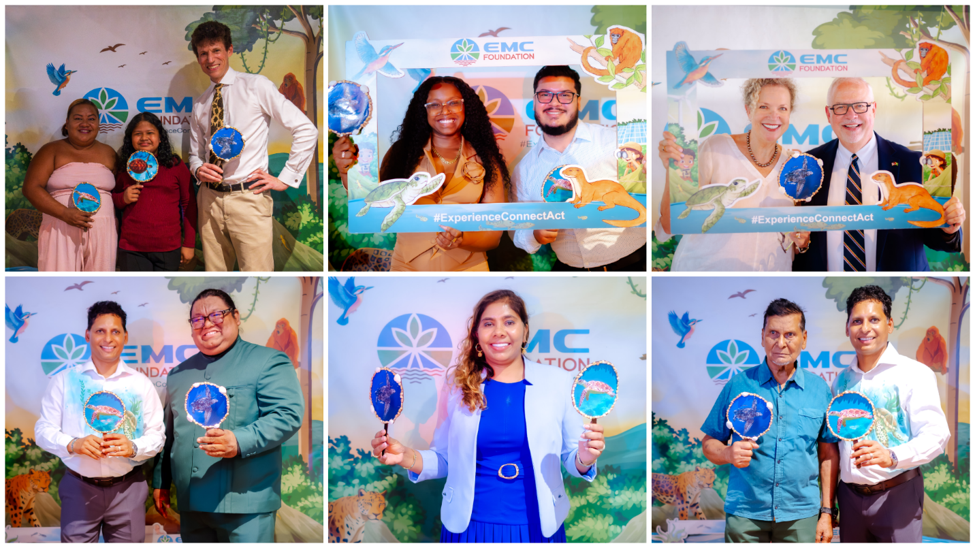
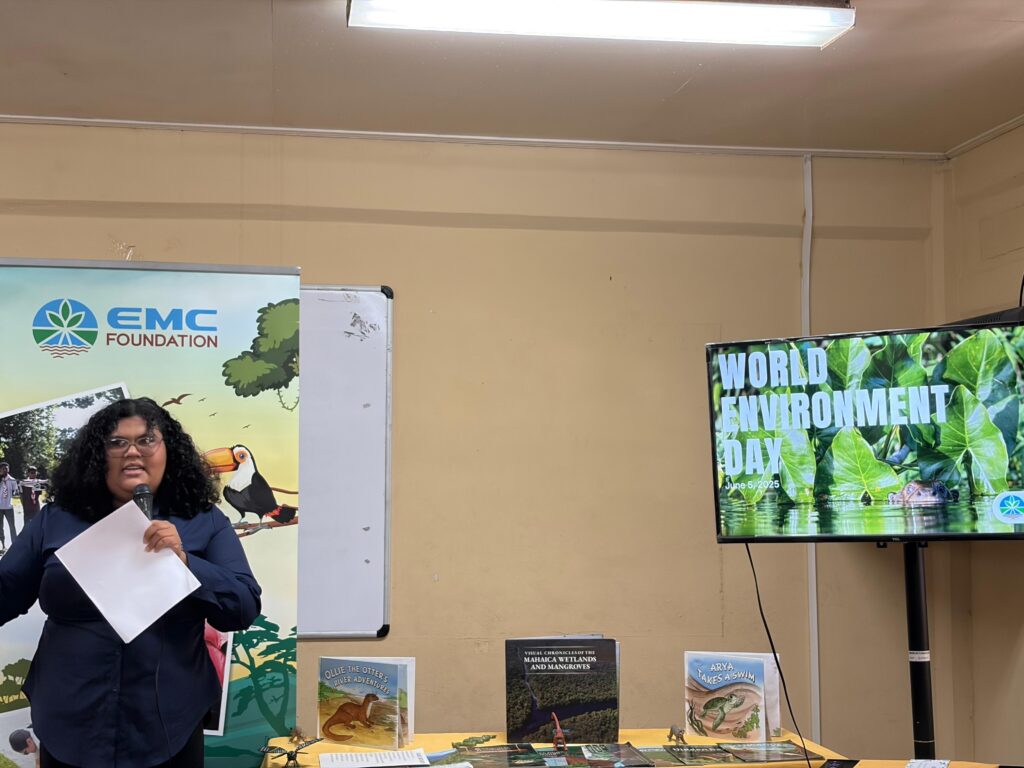
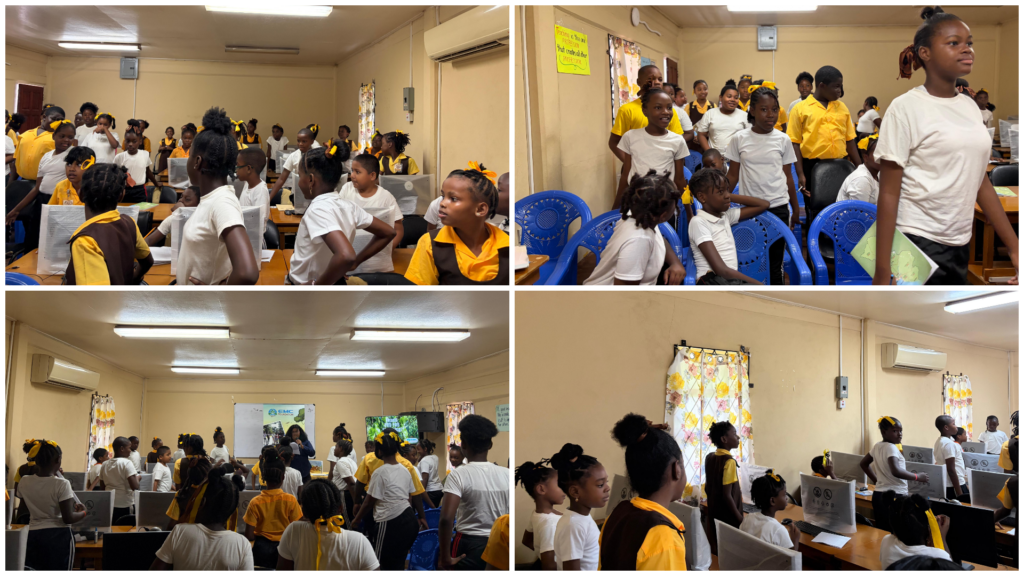
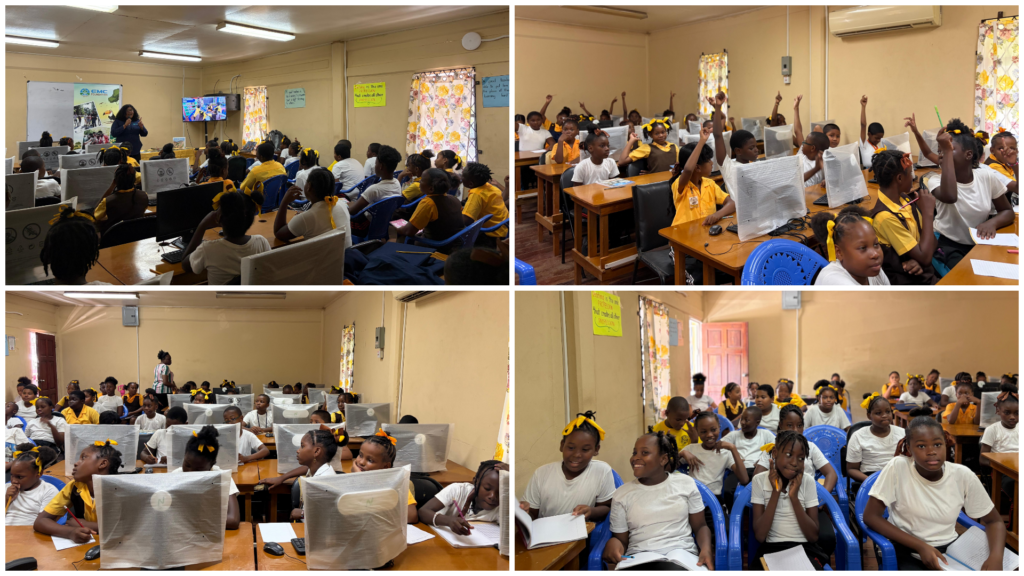
Throughout the month, club members participated in hands-on activities, outdoor observations, demonstrations, discussions, presentations, research, creative projects, and educational visits that encouraged teamwork, critical thinking, and environmental awareness. A total of 237 students participated in Environmental Club activities during July 2026. Through these experiences, club members strengthened their understanding of ecosystems, biodiversity, environmental monitoring, navigation, plant and animal identification, adaptations, and conservation while developing practical skills and a greater appreciation for the environment and wildlife.
The EMC Foundation remains committed to empowering youth through environmental education, ensuring that the next generation is equipped with the knowledge, skills, and passion to experience, connect, and act for a sustainable Guyana.
The EMC Foundation’s E-STEM Program is being implemented with the support of the ExxonMobil Foundation.
The EMC Foundation was established by Mr. Shyam Nokta, winner of the 2022 Anthony N Sabga Award for Entrepreneurship. The Foundation works to support environmental awareness and education in Guyana by promoting activities which encourage a greater understanding of the environment, creating a network to connect like-minded persons, and providing opportunities to experience Guyana’s rich natural environment